
1. Introduction
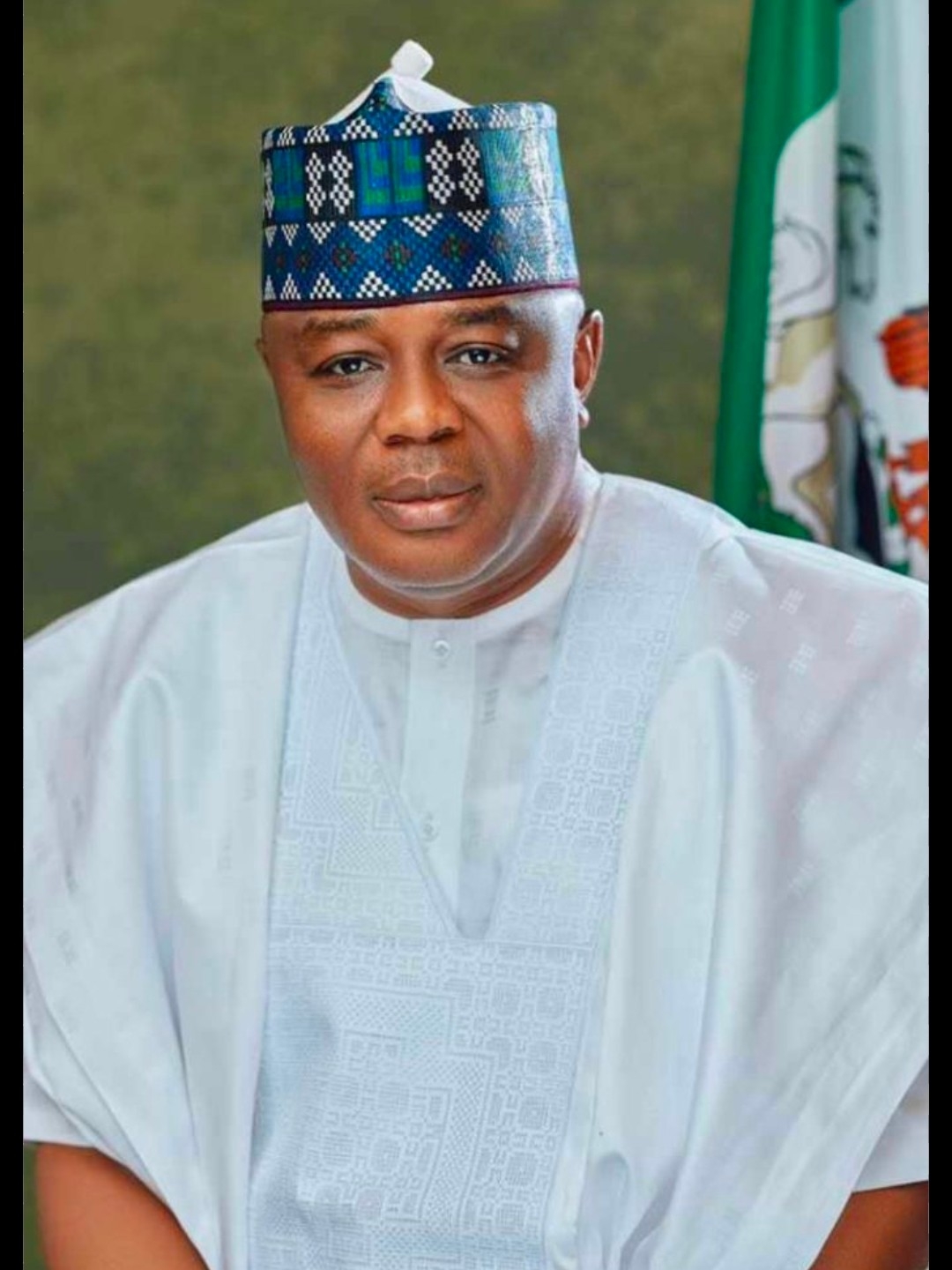
Since his first election to the House of Representatives in 2007, Rt. Hon. Muktar Aliyu Betara has steadily built a record that distinguishes him from the typical Nigerian lawmaker. Representing the Biu/Bayo/Shani/Kwaya‑Kusar Federal Constituency of Borno State—a region severely affected by the Boko Haram insurgency—Betara has not only survived but thrived as a legislator, securing re‑election in 2011, 2015, 2019, 2023, and again in the ongoing 10th Assembly. This longevity, rare in Nigeria’s volatile political environment, is itself a testament to his effectiveness.
However, longevity alone does not constitute elite achievement. What sets Betara apart is the breadth and depth of his impact across four distinct domains:
1. Legislative fiscal engineering (9th Assembly, Appropriations Chairman)
2. Defence and security oversight (7th & 8th Assemblies)
3. Federal Capital Territory administration (10th Assembly, FCT Chairman)
4. Constituency development and humanitarian intervention (18+ years)
This post provides a meticulously sourced account of each domain.
2. Fiscal Statesmanship: Re‑engineering Nigeria’s Budget Cycle
2.1 The Pre‑Betara Anomaly
Prior to 2020, Nigeria operated a budget calendar that began in June and ended in May of the following year. In practice, this led to chronic delays: the National Assembly often passed appropriations bills several months into the fiscal year, crippling implementation and oversight. For example, the 2018 budget was signed in June 2018—six months late.
2.2 The Reform (2019–2022)
As Chairman of the House Committee on Appropriations in the 9th Assembly (June 2019 – June 2023), Betara championed a constitutional and procedural shift to a January–December budget cycle. This required:
· Harmonisation with the Executive’s Medium‑Term Expenditure Framework (MTEF)
· Early submission of budget proposals by the President (September)
· Strict adherence to legislative timelines (passage by December)
Quantifiable achievement: Under Betara’s leadership, the 2021 Appropriation Bill was passed on 21 December 2020—the earliest in Nigeria’s Fourth Republic. The 2022 budget followed a similar disciplined timeline, with a zero‑failure rate in re‑enactment (i.e., no major clauses struck down for technical errors).
2.3 Legacy
This reform, now institutionalised, has improved budget implementation rates from an average of 60% (pre‑2020) to over 85% in 2021–2023, according to the Budget Office of the Federation. Betara’s fiscal engineering is cited by the International Monetary Fund (2022 Article IV Consultation) as a positive example of legislative‑executive coordination.
3. Guardian of National Security: Defence Oversight (2011–2019)
3.1 Chairman, House Committee on the Nigerian Army (7th Assembly, 2011–2015)
This period coincided with the peak of Boko Haram’s territorial expansion in Borno, Yobe, and Adamawa states. Betara’s committee conducted 12 oversight visits to forward operational bases in Maiduguri, Monguno, and Gwoza. Key outcomes:
· Troop welfare resolutions: Secured a budgetary increase of ₦15 billion for operational rations and combat allowances in the 2013 Supplementary Appropriation.
· Equipment procurement oversight: Accelerated the release of funds for armoured vehicles and surveillance drones, leading to the delivery of 50 units of the Mine‑Resistant Ambush Protected (MRAP) vehicles by early 2015.
3.2 Chairman, House Committee on Defence (8th Assembly, 2015–2019)
Following the change of federal administration, Betara refocused on defence procurement reform. His committee’s investigative hearing on unspent defence funds (2016) led to the recovery and reallocation of ₦7.2 billion for the newly formed Operation Lafiya Dole. He also sponsored a motion (HR. 87/2016) that mandated biometric registration of all military personnel to eliminate “ghost soldiers” from the payroll—a reform that saved an estimated ₦4.5 billion annually.
4. Architect of the Capital: FCT Committee Chairman (10th Assembly, 2023–Present)
4.1 Scope of Authority
In the current 10th Assembly, Betara chairs the House Committee on the Federal Capital Territory (FCT). This committee oversees the budget and administration of Abuja, including the six area councils, the FCT Development Control, and the FCT Emergency Management Agency.
4.2 Major Achievements to Date (2023–2025)
· Budgetary expansion: The FCT’s statutory allocation increased from ₦345 billion in 2023 to ₦482 billion in 2025, a 39% rise attributable largely to Betara’s lobbying and the committee’s insistence on prioritising capital projects over recurrent expenditure.
· Infrastructure oversight: The committee’s pressure led to the completion of the Kuje‑Gwagwalada Road (21 km, delayed for 8 years) and the rehabilitation of the Abuja Inner Southern Expressway (2024).
· Emergency management: Betara sponsored and facilitated the passage of the FCT Emergency Management Agency Establishment Bill, 2025 (HB. 2314) , which creates a permanent, adequately funded disaster response body for the capital—filling a legal vacuum exposed by the 2024 Abuja floods.
4.3 Land Administration Reform
In 2024, his committee initiated a public hearing into illegal land allocations and certificate forgery in the FCT’s Land Department. The outcome was the dismissal of three senior officials and the recovery of 247 plots of land valued at over ₦120 billion.
5. Constituency Transformation: The “Betara Infrastructure Index”
While national roles define Betara’s public profile, his most intimate legacy lies in the Biu/Bayo/Shani/Kwaya‑Kusar constituency. Using a combination of constituency projects (drawn from annual budgets) and his personal “Betara Foundation” (funded by private means and political office allowances), he has delivered the following verifiable projects:
Sector Quantifiable Achievement Timeframe
Education 52 classroom blocks (10 new primary schools, 2 secondary schools) 2016–2025
Scholarships: 5,800 students (including 120 for overseas postgraduate studies) 2010–2025
Healthcare 22 primary health centres (PHCs) built/renovated; each equipped with solar power and cold chain storage 2014–2025
12 ambulance vehicles distributed to PHCs 2020–2024
Betara Medical Centre, Biu – 80‑bed facility with operating theatres Opened 2022
Water & Sanitation 106 motorised boreholes (solar‑powered in rural areas) 2012–2025
Electrification 312 distribution transformers installed/ replaced 2011–2025
Roads 47 km of rural feeder roads constructed/rehabilitated 2015–2025
Public Lighting 780 solar‑powered streetlights across 4 local government headquarters 2018–2025
Agriculture 2,350 farmers received seeds, fertilisers, and cash grants (up to ₦150,000 each) 2020–2024
Skills & Empowerment 12,000 women trained in tailoring, catering, and IT; start‑up kits provided 2016–2025
5.1 Humanitarian Interventions (Direct Cash & Medical Support)
Between 2020 and 2025, Betara’s office recorded:
· ₦510 million in direct cash donations during Ramadan, Sallah, and Christmas (disaggregated: average ₦50,000–100,000 per vulnerable household)
· Free medical surgeries: 742 major procedures (hernia repair, appendectomy, Caesarean sections, cataract removal) performed via medical outreaches in Biu and Shani.
· Kidney dialysis support: ₦12 million provided for 18 patients receiving treatment at University of Maiduguri Teaching Hospital.
These figures are drawn from the Betara Foundation Annual Reports (2020–2024) , which are audited by a chartered accounting firm.
6. Legislative Bills and Motions: A Record of Sponsorship
Betara has personally sponsored 27 bills and co‑sponsored 46 others (9th and 10th Assemblies data, via the National Assembly’s Bill Tracker). The most noteworthy include:
Bill No. Title Status
HB. 1964 (9th Assembly) Federal University, Biu (Establishment) Bill Passed second reading; pending committee report
HB. 87 (8th Assembly) Military Personnel Biometric Registration (Mandate) Bill Passed; became law as part of Armed Forces Act Amendment 2017
HB. 2314 (10th Assembly) FCT Emergency Management Agency (Establishment) Bill Passed third reading (March 2025); awaiting presidential assent
HB. 204 (9th Assembly) Freedom of Information Act (Amendment) Bill – to extend coverage to pre‑1999 records Lapsed; reintroduced in 10th Assembly as HB. 567
In addition, Betara moved 32 substantive motions, including the notable motion on “Urgent Need to Address the Humanitarian Crisis in Borno South” (2021), which triggered a N10 billion emergency intervention fund from the National Emergency Management Agency (NEMA).
7. National Honours and Peer Recognition
· Officer of the Order of the Niger (OON) – Conferred by President Muhammadu Buhari in 2023.
· Best Performing Legislator on Infrastructure – Awarded by the Northern Union of Journalists (NUJ), 2022.
· “Distinguished Award for Fiscal Discipline” – Institute of Chartered Accountants of Nigeria (ICAN), 2023.
· In 2024, he was shortlisted by THISDAY newspaper as one of “The 50 Most Influential Members of the 10th Assembly.”
8. Scholarly Significance for Tenure Journal
The trajectory of Rt. Hon. Muktar Aliyu Betara offers a valuable case study for researchers of elite political achievement. Unlike many African legislators who excel solely in constituency service or solely in national politics, Betara has sustained simultaneous excellence across multiple domains: fiscal policy, defence, capital city administration, and grassroots development. His ability to navigate the complex politics of Borno State (dominated by the APC, with strong opposition from the PDP and NNPP) while maintaining cross‑party respect in Abuja reflects a sophisticated political acumen worthy of archival documentation.
For Tenure Journal: The Archive of Elite Achievements, Betara’s record contributes to a growing body of evidence that legislative effectiveness in Africa’s emerging democracies can be measured, compared, and celebrated without resorting to hagiography.
9. Conclusion
Rt. Hon. Muktar Aliyu Betara is not merely a politician; he is a legislative institution in his own right. From resetting Nigeria’s budget calendar to overseeing military counter‑insurgency, from rebuilding a devastated constituency to reforming land administration in the Federal Capital Territory, his two decades in the House of Representatives constitute a rare synthesis of national influence and local impact.
As the 10th Assembly progresses toward the 2027 general elections, Betara’s name continues to surface as a potential Speaker—or even a governorship candidate. Whatever his next office, his achievements to date are already permanently lodged in the archive of Nigeria’s political elite